May 9, 2017

Understanding the Book of Proverbs ~ The Bible Project


Instead of simply being a book of clever one-sentence sayings, the book of Proverbs helps people gain wisdom.
This video explains how the writers of Proverbs saw wisdom, which is different from how we typically think of it. The book is designed the help the reader live a good and prosperous life, which is what wisdom will ultimately guide us toward.
Watch the video to learn the back story behind this amazing book of the Bible.

Lean On Me ~ Stephen Hill


God is Protecting Israel ~ Gerald Schroeder


The only reason that Israel exists is that God is protecting His people, a world-renowned nuclear physicist concludes.
World-renowned nuclear physicist Gerald Schroeder cannot be accused of unscientific thinking.
The existence of the State of Israel, the fact that there were so few casualties from the scud missiles fired on Israel during the Gulf War, and the Israel’s stunning victory in the 1967 Six Day War all appear, on the surface, to be a stroke of luck.
When observing such apparently illogical statistics, most of Shroeder’s colleagues attribute these events to “luck.”
Schroeder, however, refuses to call it “luck”. Luck is just not a scientifically sound term. To Schroeder, the true answer is that God is protecting His people.

Aching for compassion ~Leslie J. Payne (from Focus on The Family website)

Aching for compassion

As the snow began falling on that peaceful, gray morning, all seemed right with the world. I was sitting in my car at a red light, singing along with the radio when suddenly a strange noise caused me to glance in my rear-view mirror. All I could see was the metal grille of a large truck, which in a split second ploughed into my car.
“Jesus!” I yelled out in prayer. In that moment, the red light turned green and the tractor-trailer in front of me began to pull away, miraculously saving me from being pinned between the two trucks. After the crash, I saw no blood and felt no broken bones, so I said a prayer of thanks and got out of the car. Other cars passed by slowly. As the worried truck driver and I exchanged information, I assured him I was fine. I could not have been more wrong.

Pain’s devastation

That moment in 2000 dramatically changed my life. My 39-year-old body that regularly danced aerobics, lifted weights and bicycled, suddenly seemed to age decades. By the following morning, I was debilitated by pain. My right arm could move only a few inches, so I had to lift it using my left hand. Tests confirmed that significant nerve damage impaired the function of muscles in my back, neck and shoulder. Whiplash left me unable to hold my head up for more than a few minutes. My active lifestyle instantly ended, and my professional career as a sign language interpreter for the deaf was devastated.
Although the outside of my body looked as it always had, inside it was screaming at me constantly. Unable to rest due to pain’s interruption, I quickly became sleep-deprived. Physical therapy dominated my life for a year and a half. Doctors offered little encouragement, asking me to accept my new normal. Inside I cried in protest, but I waited until I was home alone to sob in despair. Prayers for relief went unanswered, yet I desperately depended on the Lord to get me through another day.
After unsuccessful neurosurgery, years of physical therapy, several pain-management doctors and stubborn determination, the nightmare gradually faded. However, chronic pain and physical therapy continue to be part of my daily life.
Pain entered my world at full speed, just like the truck that rear-ended me, and that’s how it starts for some people. For others it comes on slowly, with or without an explanation. However chronic pain begins, the Centers for Disease Control and Prevention estimate that more than 75 million Americans suffer from it. That means chronic pain affects more Americans than do diabetes, heart disease and cancer combined. Although usually not constant, pain can affect every level of life, leaving the sufferer physically worn out, emotionally isolated and spiritually depleted.
Chronic pain is any significant discomfort continuing a month or more beyond the usual recovery period. It can be due to injury or illness, lasting months or years. Fibromyalgia, arthritis, diabetes, cancer and many other conditions can cause chronic pain. The deceptive aspect of pain is that it cannot be found on an X-ray or in a medical test, even as it isolates the sufferer.

Compassion’s effect

For me, adjusting to life with chronic pain was extremely difficult. The extent of my physical and emotional needs also left my friends and family with their own feelings of helplessness and frustration.
If someone you care about lives with chronic pain, the following tips can help you effectively share his or her burden and strengthen your relationship.
  1. Listen with empathy. The ability to listen quietly is an underrated yet crucial part of friendship. People sharing about their pain need you to listen respectfully, without judgment. Be open. Accept what they say, realizing that strong emotions often accompany physical pain.
  2. Speak with compassion. Chronic pain can bring on a wrenching sense of loss followed by the same emotions experienced when a loved one dies. Your friend may be in a cycle of denial, anger, depression and guilt. Acceptance comes last.

    Avoid saying things like “Cheer up, it’ll get better,” or “I know how you feel.” Such phrases minimize your loved one’s experience. Instead say, “I’m sorry it’s so difficult,” or “It must be rough.” Affirming that the pain is real comforts the sufferer.
  3. Pray together. The National Pain Foundation says the body and soul stressed by chronic pain require ongoing attention. A worn-out person sometimes neglects prayer. Lovingly pray with your friend for relief from pain, his relationship with the Lord, protection from depression and for patience with himself.
  4. Do something. Offer to do something specific: grocery shopping, bringing a meal or driving the carpool. Even offering a pillow or a comfortable chair is an act of compassion. And please remember to hug gently. These actions can be a tremendous boost for someone feeling temporarily helpless or withdrawn.
  5. Accept limitations. People with chronic pain frequently hesitate to admit their limits because it sets them apart. Don’t try convincing them to push their boundaries. Do include them in activities, however much they can handle. If you golf, invite them along, understanding they will bow out halfway through the course. Offer social opportunities and accept pain-imposed limits. Remember, even if they look OK, they may still be hurting.
  6. Laugh and celebrate. Research shows pain is a sensation and an emotion. Find things to laugh at; share humorous stories. Watch a funny video; go to an entertaining play. Laughter helps boost serotonin levels, which act as a natural pain reliever. Learn a new hobby together for a refreshing change of pace. Remember to celebrate your friend – the complete person – and all her admirable qualities.
Sooner or later all of us will have a few aches and pains, but people who experience chronic pain need you to remind them you love and value them. They are so much more than what their body can or can’t do. Use these tips to help diminish discomfort and embolden hope in their life.
Leslie J. Basil was single at the time of her accident. She sees God’s sense of humour in her married name: Leslie J. Payne.

May 1, 2017

We've Come This Far By Faith ~ Central Church of God Choir - Charlotte, NC


We’ve Come This Far By Faith ~ Carlton Pearson
Traditional Negro Worship Song

We've come this far by faith
Leaning on the LORD
Trusting in His Holy Word
He never failed me yet
Oh' can't turn around
We've come this far by faith

(Repeat)

Verse

Don't be discouraged
when trouble comes into your life
He will bear your burdens oh
He will remove all our misery and strife
And that's why

Chorus

Just the other day
I heard a man say
He didn't believe in God words
But I can truly say the lord will make a way
because he has never failed me

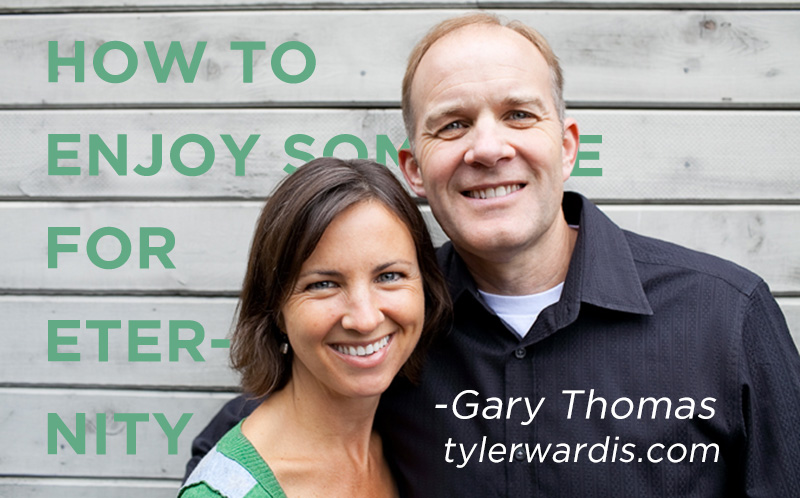
How to Enjoy Someone For Eternity ~ Gary Thomas

enjoy-for-eternity
Gary Thomas is one of my favorite people on earth. Not only has he written some of the best books and material on marriage—including the best-seller Sacred Marriage, but he’s been such a kind and helpful mentor to me and my wife throughout the last year.
I recently asked Gary if he would share a bit about his recently published book, “A Lifelong Love: What If Marriage Is About More Than Just Staying Together?” In typical fashion, his following guest post touches a common issue and offers a beautiful solution. Hope it helps!
Enter Gary.
One of the things that brings so many marriages down is never mentioned in questionnaires. Social scientists talk about money problems, in-law problems, sexual problems, but as a pastor, I see a dilemma and challenge that is far more common and that brings down far more marriages.
It’s the problem of boredom.
We get bored with each other.
In one sense, this is the natural human condition. None of us are so fascinating that we can keep somebody enthralled for five or six decades. Two or three years? Yeah, that’s possible. Five or six years? Well, if you have the humor of a Larry David or Tina Fey, you’ve got an outside shot. Fifty or sixty years? When your spouse knows your stuff, has seen your stuff, and really doesn’t think there’s anything new to explore?
That’s a problem.
And it might explain why, in the last decade or so, empty nesters are increasingly making it a habit of dropping their last kid off at college and then stopping off at the lawyer on the way home to call it quits.
The sad reality is, they’re just really, really bored with each other.
Hollywood stars get bored with Hollywood starlets. Billionaire women get bored with billionaire men. And ordinary husbands get bored with ordinary wives.
Unless, that is, we find something else to build our affection on. That’s what God provides in a marriage based on Him and why I talk about “worshipping our way to a happier marriage.”
This isn’t some Pollyannaish religious escapism—it’s very practical, so hang with me.
In the first sermon he ever preached, the famous Puritan Jonathan Edwards dropped this brilliant passage when speaking about heaven (that has a very valuable lesson about life on earth):
“The glorious excellencies and beauty of God will be what will forever entertain the minds of the saints, and the love of God will be their everlasting feast. The redeemed will indeed enjoy other things; they will enjoy the angels, and will enjoy one another; but that which they shall enjoy in the angels, or each other, or in anything else whatsoever, that will yield them delight and happiness, will be what shall be seen of God in them.”
That last sentence is key: “That which they shall enjoy,..in anything whatsoever…will be what shall be seen of God in them.”
As God captures our hearts, we fall more and more in love with Him. His love is our “feast.” He becomes all our desire, all our hope, our very life and breath. There is a point in a mature believer’s life when it would be impossible to truly enjoy and revel in something that is in rebellion to God. The ancient classics talk about this all the1 time—the stages of soul formation in which we obey out of fear, and then out of love, and then, because God has so captured our hearts, we obey because we truly only desire the good (that is, God). It’s not that temptation can’t seize such a soul—it surely does—but even if we fall, we hate what we’re doing when we’re doing it, and we’re appalled by what we’ve done after it’s over.
Which means that a marriage with a shared love and worship of Christ is a marriage that grows ever deeper over time; as God shapes our hearts to desire Him, He is also, in that work, shaping our hearts to desire and enjoy each other.1 The more I love my wife out of worship, then the more God brings my heart into an ever-worshipful state (which He is doing steadily, and continuously), the more I will love my wife. I take delight in the eternal will of God, because God is giving me the heart to do so, and His eternal will is that I love my wife as Christ loves the church, so I start to relish the thought and practice of loving my wife that way, because what I love in my marriage, what I love in my wife, is the presence of God in my marriage and the presence of God in my wife. And since I want more of God, I want more of my wife.
What this means is that long-term marital satisfaction between two less than fascinating people is best built on the common worship of a fully enthralling God.
So, the problem behind much marital discontent is often a problem of worship.
The less I worship, the less I experientially receive from God—His acceptance, His love, His kindness—and the more I ask of my wife to pick up the slack (“notice me, appreciate me, thank me…”). The more I worship God, the more I focus on passing on that love. When you hear really good news, you can’t wait to pass it on. When you are deeply and truly loved, you can’t wait to express that love and share that love with someone else. If your worship doesn’t make you want to encourage someone, notice someone, love someone, or occasionally even hug someone, you’re not worshipping God.2
So, the more we worship, the more we will cherish our spouse, and the more we will cherish our marriage. And if the worship is true, we will never—not even in a million years—grow weary of Him, which means, we won’t grow weary of our spouse or our marriage.
The problem of boredom in marriage thus has a simple solution: worship. “Oh magnify the Lord with me; let us exalt His name together.” (Psalm 34:3)
Recapture the worship and you’ll recapture the love. Your delight with each other won’t just survive, it will flourish.
That’s how we enjoy someone not just for five or ten years, or even fifty or sixty years, but literally for eternity.
If this hits home, be sure to pick up a copy of Gary’s new book, A Lifelong Love: What If Marriage Is About More Than Just Staying Together?

Passion For the Gospel


Church Hunters ~ Part 2 ~ John Crist 😎

Comedian John Crist's "Church Hunters" is back as a young couple checks out the hip, "interdenondenominational" (and fictional) Molded Clay Jar Art Tapestry Canvas Mosaic Church😎😎😎


Does the Bible teach a pre-tribulation rapture of the church? ~ Dr. Michael Brown

Dr. Michael Brown Believes in the Rapture of 
the Church, just not in the Pre-Tribulational sense.